

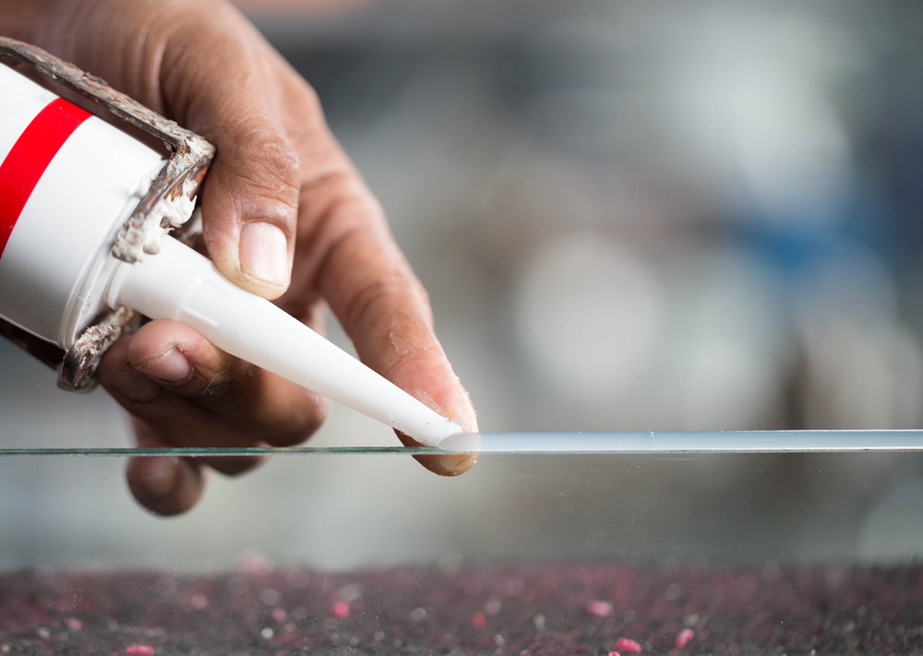
Unmanned Aerial Vehicles (UAVs) have evolved from simple hobby aircraft into technically advanced platforms used in defense, industrial inspection, agriculture, and logistics. As their importance grows, so does the need for strong, lightweight, and reliable joining solutions. Among these, Adhesives for UAVs have become essential for achieving optimal performance, durability, and safety.
Whether used to bond composite materials, assemble sensors, or protect sensitive electronics, high-performance adhesive systems ensure stability in demanding operating environments. This article explores the most advanced adhesive options, their benefits, applications, and criteria for selection within UAV manufacturing, repair, and integration.
Why Adhesives for UAVs Matter
Modern UAV engineering demands materials that are lightweight yet extremely reliable. Traditional mechanical fasteners such as screws or rivets add unnecessary weight and create weak points. In contrast, Adhesives for UAVs deliver high structural integrity without compromising aerodynamics.
Key advantages include:
• Weight reduction
• Uniform stress distribution
• Superior fatigue resistance
• Vibration and thermal protection
• Compatibility with composites
• Improved aerodynamics
As UAVs operate at a wide range of temperatures and altitudes, adhesives ensure long-lasting performance under significant stress.
Most Common Materials Used in UAV Construction
Most UAV components are built using lightweight materials that require high-performance bonding solutions. These include:
• Carbon fiber composites
• Aluminum alloys
• Titanium
• Plastics (PEEK, ABS, PC)
• Engineered foams
Because these materials vary in chemical and structural properties, selecting specialized Adhesives for UAVs is crucial for ensuring bonding consistency and long-term stability.
Types of Adhesives for UAVs
There are several adhesive categories used across UAV production and repair. Each offers different strengths depending on application.
1. Epoxy Adhesives
Epoxy systems are widely used due to their structural strength and durability. They are ideal for carbon fiber and aluminum bonding.
Benefits:
• Extremely high bond strength
• Excellent chemical resistance
• Strong performance at high temperatures
2. Polyurethane Adhesives
These adhesives are more flexible and absorb vibrations well, making them ideal for consumer and light-commercial UAVs.
Benefits:
• Strong impact resistance
• Excellent flexibility
• Effective for dissimilar materials
3. Cyanoacrylate Adhesives
Cyanoacrylates (CA) are ideal when fast bonding is required.
Benefits:
• Rapid curing
• Effective for small repairs
• Good performance on plastics and composites
4. Silicone Adhesives
Silicone systems are preferred for bonding and sealing components exposed to heat or electronic environments.
Benefits:
• Superior thermal resistance
• Electrical insulation
• High flexibility
Key Applications of Adhesives for UAVs
Adhesives for UAVs are used across many critical production and maintenance steps:
• Bonding composite arms and frames
• Sensor and antenna assembly
• Battery housing reinforcement
• Sealing electronics against moisture and dust
• Structural reinforcement without mechanical hardware
• Attaching landing gear and motor mounts
Because UAVs must withstand dynamic stress, each adhesive solution must be selected with the environment and materials in mind.
Environmental and Performance Considerations
UAVs frequently encounter extreme environmental conditions. Therefore, selecting the correct adhesive ensures reliability.
Important performance factors include:
• UV resistance
• High-heat tolerance
• Moisture protection
• Fuel and chemical resistance
• Vibration and shock resistance
• Minimal curing shrinkage
Selecting robust Adhesives for UAVs also helps prevent delamination, cracking, and fastener fatigue — all of which can lead to mission failure.
How Adhesives Improve Structural Integrity
Using adhesives instead of mechanical fasteners distributes loads more evenly across the bonded surface. This reduces stress concentrations, prevents material fatigue, and prolongs the aircraft’s lifespan.
Critical structural benefits:
• Lower airframe weight
• Increased stiffness
• Better vibration damping
• Improved fatigue life
With fewer drilled holes, the airframe maintains higher integrity, which is especially important for lightweight composite structures.
Choosing the Right Adhesives for UAVs
When selecting Adhesives for UAVs, consider the following evaluation criteria:
• Material compatibility
• Adhesive strength (shear, peel)
• Curing speed and method
• Operating temperature range
• Weight requirements
• Shock and vibration tolerance
• Environmental exposure
• Electrical insulation needs
Manufacturers often test multiple adhesive types to find the best balance of weight, performance, and durability.
Testing & Certification
UAV-grade adhesive solutions often undergo rigorous testing to ensure structural dependability. Typical tests include:
• Tensile and shear strength
• Fatigue resistance
• Thermal cycling
• Salt-fog corrosion tests
• Vibration testing
In mission-critical defense applications, certified Adhesives for UAVs must meet strict aerospace compliance standards.
Future Innovations
With UAV technologies advancing rapidly, adhesive manufacturers are developing solutions that cure faster, weigh less, and handle higher temperatures. Future developments will likely include:
• Nano-reinforced adhesives
• Self-healing bonding materials
• Additive-manufacturing compatible formulations
• Smart adhesives for structural monitoring
These innovations will make UAV platforms more reliable, efficient, and capable across industries.
As UAV platforms continue to expand into commercial, industrial, and defense markets, strong, lightweight bonding solutions are essential. Adhesives for UAVs provide unmatched performance in structural bonding, vibration resistance, thermal control, and component assembly — all while keeping weight as low as possible.
Their integration helps manufacturers achieve longer operational life, higher mission reliability, and better aerodynamic efficiency. By carefully selecting the right adhesive chemistry for each component and environment, engineers ensure that UAVs deliver safe and dependable performance throughout their service life.
