

In today’s vehicles, the role of the windshield has evolved far beyond simply providing visibility. It now serves as a mounting point for various advanced driver assistance system (ADAS) components—cameras, sensors and even radar units—that depend on precise alignment to function correctly. When the windshield or any closely associated glass is replaced, it’s no longer enough to just install new glass. The calibration of those ADAS systems is crucial to restore full safety functionality. According to industry sources, even a slight misalignment of just a degree can significantly impact the performance of these systems.
When you arrange for auto glass Houston‑level service, make sure that the provider understands the calibration requirement of modern systems. During a typical process, the existing glass is removed, the camera and sensor mounts are disconnected and then re‑installed and recalibrated to manufacturer settings. Failing to perform calibration can lead to unpredictable behaviour from features such as automatic emergency braking, lane departure warning or adaptive cruise control.
Many people think of glass services only in terms of cracks and chips, but when a windshield supports safety systems like collision sensing or lane‑keeping assist, the service must include calibration. That’s why windshield repair Houston providers need to verify whether an ADAS system is present and whether the repair will trigger a calibration requirement. If that step is skipped, the repaired vehicle might appear satisfactory but the early‑warning systems that you rely on could be compromised.
Now, consider another glass component that is sometimes overlooked: the overhead sun roof. When a vehicle’s sun roof panel needs service—particularly if it involves removing the glass or structural members—it’s not only a matter of weather‑proofing or quiet operation. It may also affect sensors or structural elements that play a role in vehicle safety. Ensuring proper sun roof repair means aligning panels, maintaining seals, and verifying that no unanticipated adjustments to sensor alignment have occurred. Even though it’s not the front screen, changes in roof geometry or panel mounting can impact overall sensor perception in modern vehicles.
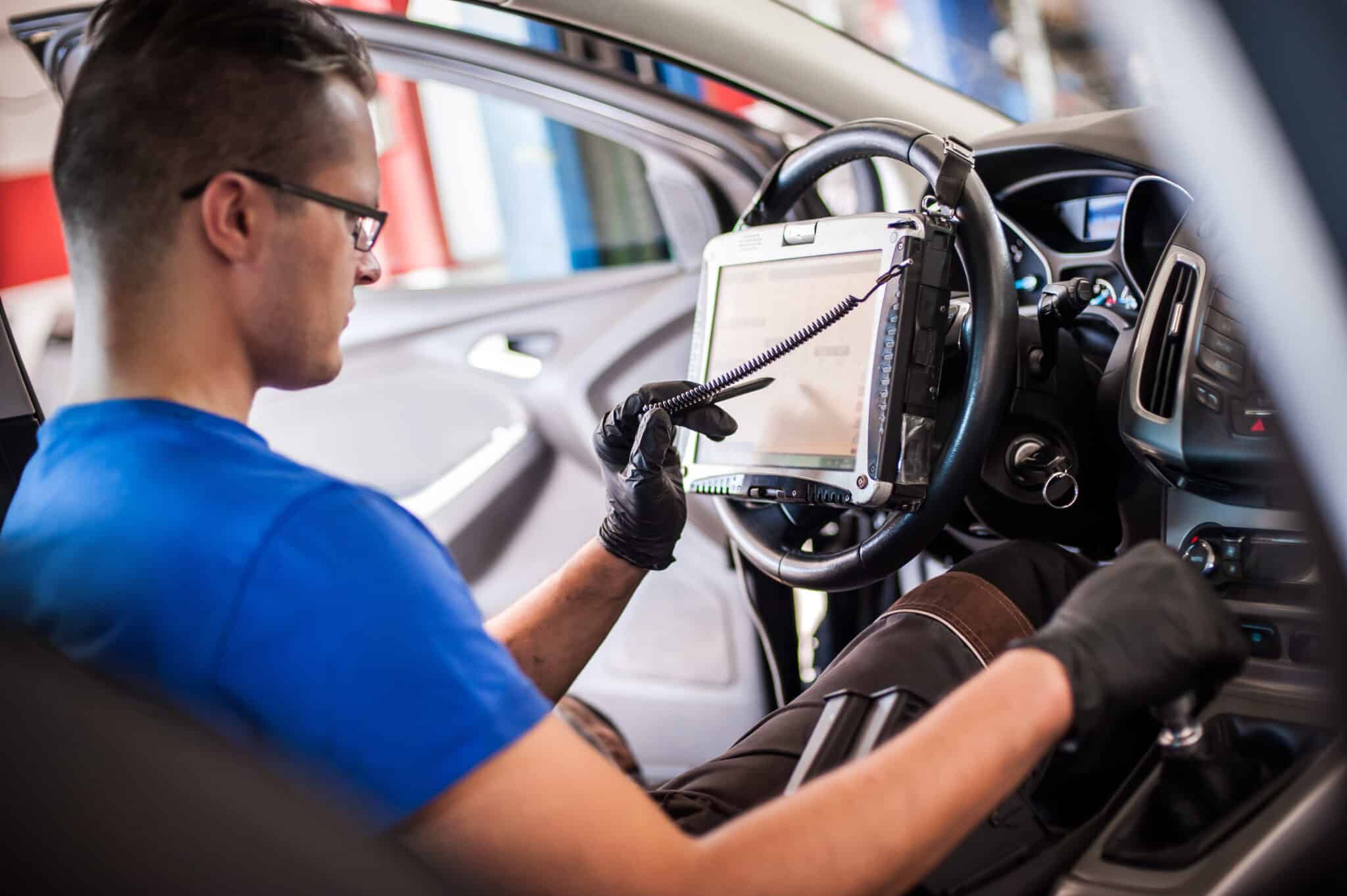
Returning to the windshield process: Before calibration begins, technicians conduct diagnostics to check for fault codes, sensor history and camera mount integrity. Then either a static calibration (in‑shop using target boards) or dynamic calibration (on‑road test) is performed, ensuring that the system’s vision, distance measurement and alignment match manufacturer standards.
It’s also vital to understand that the calibration process ties directly into warranty, insurance and safety compliance. Many insurance policies now acknowledge that calibration is a necessary component of a windshield replacement when ADAS is present. Without proper calibration, not only can the safety systems malfunction, but a vehicle may also fall out of compliance with manufacturer requirements or insurance conditions.
When selecting auto‑glass service providers, ask whether they handle the full scope: removing and reinstalling the glass, performing diagnostics, calibrating systems and verifying successful completion. The service that delivers auto glass Houston‑quality care includes this full loop, not just the glass replacement. Likewise, any vendor offering windshield repair Houston must consider whether the glass supports an ADAS camera or sensor and if calibration is warranted.
Ultimately, the investment in professional calibration is an investment in safety, function and peace of mind. Whether dealing with a front windshield or working on overhead panels as part of a sun roof assembly, ensuring correct alignment and calibration restores your vehicle’s full capabilities. When done correctly, you don’t just have good glass—you have a vehicle where the advanced systems you rely on are functioning exactly as the manufacturer intended.
