

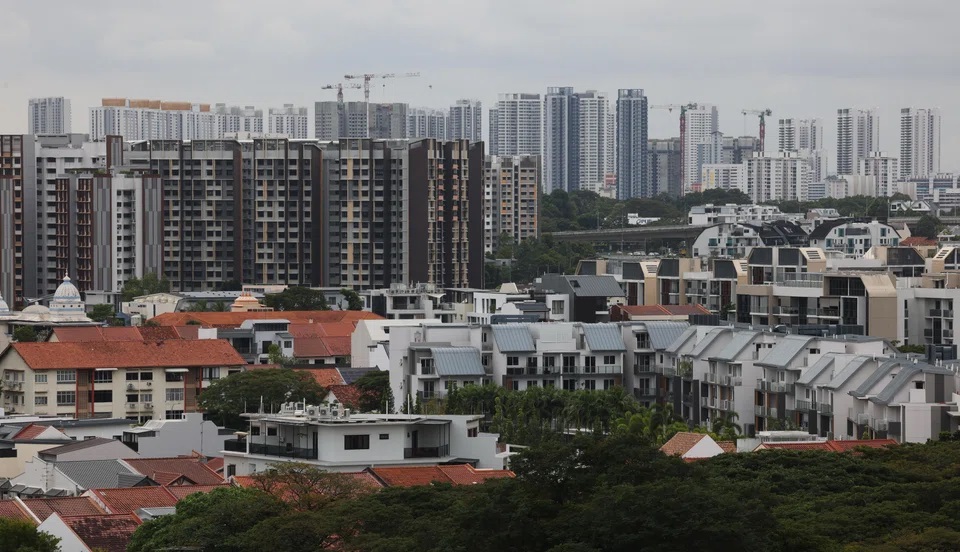
The Singapore property market is shaped by a combination of structural, economic, and behavioral forces. While many investors focus on interest rates or government policies alone, the reality is that property demand is driven by multiple interconnected factors. In 2026, understanding these drivers is essential for making informed investment decisions.
Unlike more volatile global markets, Singapore’s real estate sector moves in a controlled environment. However, demand shifts can still create noticeable price differences between districts, property types, and development stages.
Population Growth and Housing Demand
One of the most fundamental drivers of property demand is population growth. Singapore continues to experience steady population changes driven by immigration, employment inflows, and urban development planning.
As more residents enter the country for work or study, housing demand naturally increases. This affects both rental and resale markets, particularly in well-connected districts.
When demand rises faster than supply, prices tend to strengthen, especially in private residential segments.
Developments like Lucerne Grand often benefit from this underlying demand pressure due to their appeal to both homeowners and tenants.
Employment Hubs and Economic Activity
Employment concentration is another major factor influencing property demand. Areas near business districts, industrial parks, and innovation hubs tend to attract higher residential interest.
This is because professionals prefer to live close to their workplaces, reducing commute time and improving quality of life.
When new business hubs are developed, surrounding residential areas often experience increased demand and price appreciation over time.
These dynamics also support long-term rental stability in well-located developments such as Island Residences.
Infrastructure Expansion and Connectivity
Infrastructure development plays a critical role in shaping property demand patterns. MRT expansions, highway upgrades, and integrated transport systems improve accessibility across the island.
When connectivity improves, previously less desirable areas become more attractive to both buyers and tenants.
This often leads to early-stage price growth in emerging districts, followed by sustained demand once infrastructure is fully operational.
Properties located near transport nodes consistently outperform in terms of long-term demand stability.
Supply Constraints and Land Scarcity
Singapore’s land scarcity is one of the most important structural drivers of property demand. With limited land available for development, supply is carefully controlled through government planning.
This creates a natural imbalance between supply and demand, especially in high-growth periods.
As a result, even moderate increases in demand can lead to noticeable price movements in certain segments of the market.
This scarcity effect is a key reason why Singapore property remains attractive to long-term investors.
Lifestyle Expectations and Buyer Preferences
Modern buyers are no longer focused solely on price and location. Lifestyle expectations have become a major demand driver in recent years.
Buyers now look for developments that offer convenience, wellness facilities, and integrated community spaces.
Features such as gyms, co-working areas, green landscapes, and retail access are increasingly seen as essential rather than optional.
Developments such as reflect this shift by aligning with modern urban living expectations.
Rental Demand and Tenant Demographics
Rental demand is a key component of overall property demand. In Singapore, the rental market is influenced by expatriate inflows, foreign professionals, and local mobility trends.
Different tenant groups have different preferences, which affect demand for specific property types and locations.
Smaller units near transport hubs tend to attract young professionals, while larger family units appeal to long-term tenants.
Stable rental demand also supports price resilience in developments such as Island Residences.
Government Policy Influence
Government policies play a significant role in shaping demand conditions. Measures such as stamp duties, loan restrictions, and supply releases help regulate market activity.
These policies are designed to prevent overheating while maintaining long-term stability.
As a result, demand in Singapore tends to grow in a more controlled and sustainable manner compared to many global markets.
Foreign Buyer Participation
Foreign demand is another important contributor to the overall property market. While regulations such as Additional Buyer’s Stamp Duty (ABSD) have moderated activity, international interest remains present.
Foreign buyers are typically drawn to Singapore due to its political stability, strong legal framework, and safe investment environment.
However, their participation is more selective, focusing on high-quality developments with strong long-term fundamentals.
Market Sentiment and Buyer Confidence
Psychological factors also influence demand. When buyer confidence is high, transaction volumes increase and competition for properties intensifies.
During uncertain economic periods, demand tends to slow as buyers adopt a more cautious approach.
This sentiment-driven behavior often amplifies market cycles, even when underlying fundamentals remain stable.
Final Thoughts
Property demand in Singapore is shaped by a wide range of factors, from population growth and infrastructure to lifestyle trends and government policies. These forces work together to create a stable yet dynamic market environment.
For investors, understanding these demand drivers is essential for identifying strong opportunities and avoiding poorly timed decisions.
As the market continues to evolve in 2026, properties that align with long-term demand trends will remain the most resilient and attractive.
