

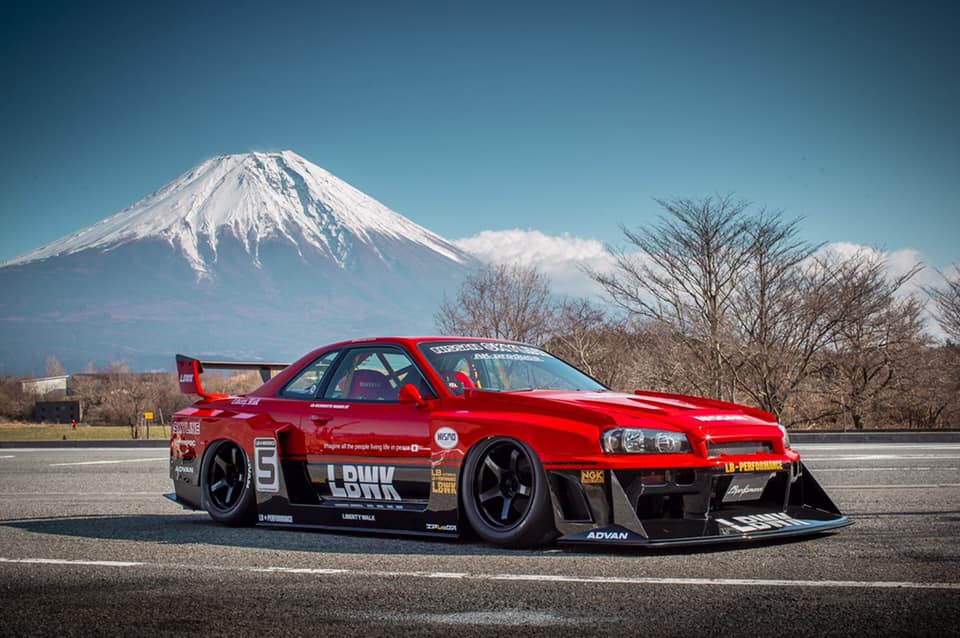
The automotive world has witnessed a remarkable surge in interest surrounding vehicles originally designed for Japanese roads. These machines, built to meet Japan’s unique standards and driving conditions, have captured the imagination of car enthusiasts across North America and beyond. From the iconic sports cars of the 1990s to practical kei trucks finding new life on farms and worksites, the appeal of these vehicles continues to grow stronger with each passing year.
Understanding What Makes Japanese Vehicles Special
Japan’s automotive industry developed along a distinctly different path than its Western counterparts. Strict domestic regulations, limited parking spaces, and narrow city streets influenced designers and engineers to create vehicles that balanced performance with practicality in ways rarely seen elsewhere. The result was an extraordinary range of automobiles that offered exceptional build quality, innovative technology, and driving experiences that felt genuinely unique compared to anything available in North American dealerships.
The legendary reliability of Japanese manufacturing became evident in these domestic market vehicles. Engineers had access to components and technologies that weren’t always exported, allowing them to push boundaries in ways that international models couldn’t match. Turbocharged engines, sophisticated all-wheel-drive systems, and advanced electronics appeared in Japanese showrooms years before reaching other markets. This technological advantage created vehicles that often outperformed their international equivalents while maintaining the durability Japanese brands had become known for worldwide.
The Golden Era of Japanese Performance
The late 1980s through the 1990s represented an unprecedented period of automotive excellence from Japan. Manufacturers engaged in an unofficial horsepower war that produced some of the most celebrated sports cars ever built. The gentleman’s agreement limiting advertised power to 276 horsepower became almost laughable as actual outputs far exceeded official figures.
During this era, vehicles emerged that would become legends in automotive history. Twin-turbocharged inline-six engines, rotary powerplants spinning to astronomical redlines, and mid-engine configurations challenged European exotics at fractions of their prices. These weren’t merely fast cars; they represented engineering philosophies that prioritized driver engagement and mechanical honesty over luxury appointments and brand prestige.
The tuning culture that developed around these platforms created an entirely new automotive ecosystem. Aftermarket manufacturers produced components that could transform already capable machines into genuine track weapons. This accessibility democratized high-performance motoring in ways that resonated deeply with enthusiasts who valued driving skill over financial status.
Navigating the Import Process Successfully
Bringing a Japanese vehicle to North American shores requires understanding complex regulations that vary significantly between countries and even provinces or states. The famous 25-year rule in the United States has created a rolling window of eligibility that enthusiasts track with anticipation. Canada’s 15-year threshold offers earlier access to these coveted machines, making it an attractive option for many buyers eager to experience JDM ownership sooner.
Documentation plays a crucial role in successful importation. Export certificates, auction sheets, and maintenance records help establish a vehicle’s history and condition. Reputable sources like JDM Drive have built their reputations on transparency and thorough vehicle verification, understanding that buyers deserve complete information before making significant purchases. Working with experienced importers dramatically reduces the risks associated with buying vehicles sight-unseen from overseas auctions.
The physical process of shipping vehicles across the Pacific involves multiple stages requiring coordination and patience. Vehicles must clear Japanese export regulations before beginning their ocean voyage in secure containers. Upon arrival, they face customs inspection, safety certification requirements, and registration procedures that demand proper preparation and documentation.
Practical Considerations for Daily Ownership
Living with a right-hand-drive vehicle in left-hand-drive traffic requires adjustment but rarely proves as challenging as newcomers expect. Highway merging and drive-through windows present minor inconveniences that owners quickly learn to manage through positioning and awareness. Many enthusiasts actually prefer the right-hand configuration, arguing it provides better visibility for overtaking on two-lane roads.
Parts availability has improved dramatically as the JDM community has grown and matured over recent decades. Online marketplaces connect owners with suppliers in Japan who can source even obscure components for older vehicles. Common maintenance items often share part numbers with domestic models sold in North America, while specialized pieces can typically arrive within weeks rather than months.
Insurance considerations deserve serious attention before purchase. Some companies specialize in coverage for imported vehicles and understand their unique characteristics and values. Agreed-value policies protect owners from depreciation assumptions that wouldn’t apply to appreciating classic imports. Shopping multiple providers often reveals significant premium variations.
The Investment Perspective and Market Dynamics
Market values for desirable Japanese imports have demonstrated remarkable appreciation over recent years. Vehicles that sold for modest sums a decade ago now command prices that rival contemporary luxury cars. This trend reflects genuine collector interest rather than speculative bubbles, as enthusiast communities continue expanding globally and demand consistently outpaces supply of quality examples.
Condition remains paramount in determining value and future appreciation potential. Unmodified examples with documented histories command significant premiums over modified vehicles. However, the market also rewards tasteful, period-correct modifications that enhance performance while respecting original design intentions. Understanding these nuances helps buyers make informed decisions aligned with their goals.
Storage and preservation have become important considerations for owners viewing their vehicles as long-term investments. Climate-controlled facilities, proper fluid maintenance during storage periods, and regular exercise prevent the deterioration that can affect even well-built machines.
Building Community Connections and Knowledge
The social aspects of JDM ownership often surprise newcomers who initially view their purchase as purely personal. Local meets, online forums, and international events create meaningful connections between people who share passionate appreciation for Japanese automotive engineering. Knowledge flows freely within these welcoming communities, helping new owners avoid common pitfalls while experienced enthusiasts continue learning from each other.
Technical expertise has become increasingly accessible through dedicated content creators and comprehensive community documentation. Detailed guides cover everything from basic maintenance procedures to advanced modifications and engine builds. This collective knowledge represents decades of accumulated experience that benefits anyone willing to engage with the community.
Looking Forward at the Future of JDM Culture
Interest in Japanese domestic market vehicles shows no signs of diminishing as new generations discover these remarkable machines. As new model years become eligible for importation, fresh waves of enthusiasts discover vehicles that defined their automotive dreams during childhood. The combination of mechanical character, tunability, and cultural significance ensures these machines will remain relevant for generations to come.
The preservation movement has gained momentum as owners recognize the historical importance of maintaining examples in original condition. Museums and private collections now feature Japanese vehicles alongside European and American classics, acknowledging their rightful place in automotive history.
For those considering entry into JDM ownership, thorough research remains essential for a positive experience. Understanding what you want, what ownership entails, and where to find quality examples positions buyers for satisfying long-term experiences. The journey of discovery often proves as rewarding as the destination itself, opening doors to a passionate community united by genuine enthusiasm for exceptional automobiles.
