

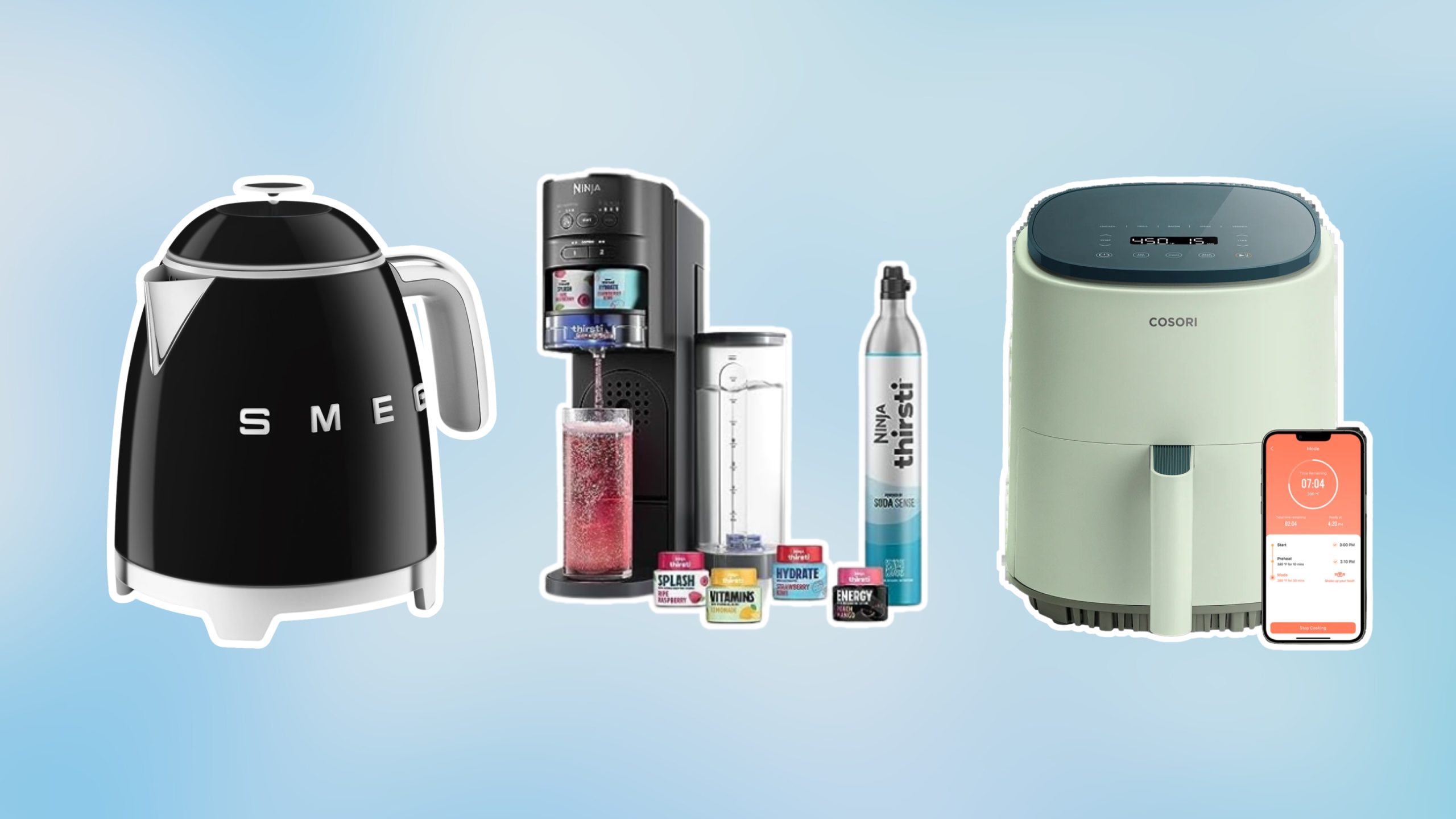
We all have that drawer. The one who is a “dead” blender. A burnt-out mixer. A toaster that stopped popping. Most people see junk. Scrap professionals see value.
Here’s the truth. Copper motors, thick wiring and aluminium shells are housed within many small kitchen appliances. That’s not rubbish. That’s cash. If you know what to look for, one appliance alone can silently add up to $20 or more.
Let’s dissect where the real hidden money is.
Why “Broken” Doesn’t Mean Worthless?
Small kitchen appliances die electronically far before they ever wear out as materials. The motor dies. A switch burns. But the metal inside is still valuable.
That’s why appliances are so loved by scrap metal collection in Melbourne services. They’re small, dense and rich in recoverable stuff.
What creates value?
- Copper windings inside motors
- Copper wiring and coils
- Aluminium casings and internal parts
And the more powerful the appliance was when it worked, the more metal it generally contains.
1. Blenders and Food Processors
That loud blender in the far corner of the cupboard? It’s a sleeper hit.
Blenders often contain:
- Dense copper motors
- Heavy internal wiring
- Steel and aluminium components
High-powered models are especially valuable. In fact, even the budget stuff can be worth $20 once it’s been stripped and sorted.
And if it crushed ice, it’s likely to crush expectations at the scrapyard.
2. Stand Mixers (Even the Budget Models)
Stand mixers are the size of a heartthrob for good reason. They are designed to be torque monsters, and torque needs copper.
Inside you’ll usually find:
- Large electric motors
- Thick copper coils
- Substantial metal housings
“They’re heavier than they are,” and that’s just the way scrap metal recycling Melbourne dealers like it.
Pro tip: hand mixers are lighter weight but also equally valuable. It’s the stand mixers where the actual value is stashed away.
3. Coffee Machines
Coffee machines surprise people.
Even compact units often contain:
- Pumps with copper wiring
- Heating elements
- Stainless steel and aluminium frames
The more it is automated the greater amount of metal it contains. Old capsule machines and drip brewers are both in.
If it offered the ability to heat water and run a pump, it probably has some scrap value.
4. Electric Kettles
Electric kettles are too basic to matter. They’re not.
Most contain:
Copper heating elements
Metal bases
Internal wiring
Something like a metal-bodied kettle, in fact, punches above its weight. They are quick wins for anyone developing a small pile of scrap metal collection Melbourne.
5. Toasters and Sandwich Presses
These are the quiet achievers.
They usually include:
- Heating elements with metal coils
- Copper wiring
- Steel frames
One toaster is not going to change your life. Five, six forgotten appliances definitely can.
Why Copper is the Real “Hidden Gold?
Copper is what pushes the cost of small appliances higher. It’s used because it conducts electricity well − and can be sold by scrappers for a healthy sum.
That’s partly why, for instance, proven operators focus on motor-heavy scrap.
If a device spins, heats, or pumps, then copper is almost certainly involved.
How to Make the Most of What You Receive Paid?
You don’t have to do it all alone. But a little prep helps.
Do this:
- Take off any obvious plastic components if it ejects easily
- Group appliances together
- Unless otherwise instructed division to retain, keep the motors intact
The most scrap metal recycling in Melbourne services will accept entire appliances and are generally happy to take them, particularly in bulk.
Why Discarding Them is a Mistake?
Sending appliances to landfill wastes:
- Reusable metal
- Energy embedded in materials
- Actual money
Scrap recycling loops material and pays you for not putting away value in the bin.
The Bottom Line
Your “dead” kitchen appliances don’t have to be dead weight. They’re little metal stockpiles hiding in plain sight.
Before you throw that busted blender or old kettle in the trash, consider what’s inside. Copper motors. Aluminium shells. Real value.
Turn clutter into cash. That drawer isn’t junk − it’s inventory.
