

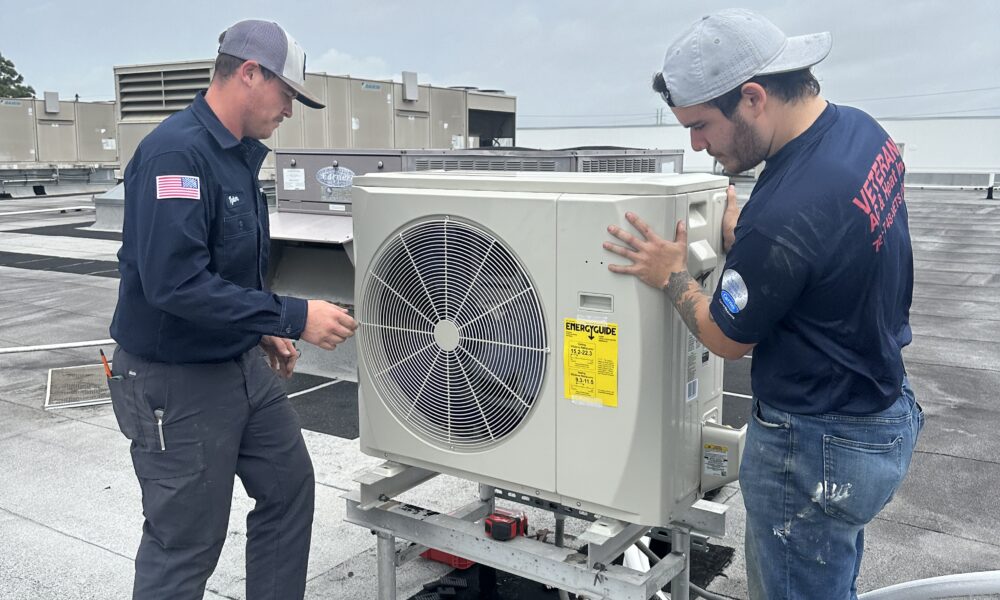
Choosing the HVAC installer can shape comfort, energy bills, and long-term system reliability. Many homeowners rush decisions when systems fail, creating stress and costly mistakes. Greenville residents face hot summers and cool winters, so quality installation matters every season. This guide explains what to check before hiring an installer, from credentials to service quality.
It also highlights questions to ask, warning signs to avoid, and ways to compare estimates fairly. Homeowners who work with Greenville HVAC installation experts gain clarity, fewer surprises, and systems sized correctly for homes and buildings. This preparation supports smoother planning, timelines, and confidence.
Licensing, Insurance, and Local Compliance
Proper credentials protect homeowners from liability and poor workmanship. Licensed installers meet state and local rules, which confirm technical training and accountability. Insurance matters just as much, since it protects against job site accidents or property damage.
Check for these basics before signing any agreement:
- Active state or county license
- Proof of liability insurance
- Worker coverage documentation
Installers familiar with Greenville codes understand permitting needs and inspection standards. This knowledge prevents delays and avoids correction costs after installation.
Experience With System Types and Property Sizes
Experience shows how well installers handle different buildings and layouts. Residential systems differ from commercial setups in load demands and duct design. Installers with broad exposure can adjust plans without guesswork.
Ask about prior projects that match your situation. For example, homes in Greenville vary widely in age and insulation quality. Professionals who have handled similar properties can size equipment accurately. This reduces uneven temperatures, excess noise, and energy waste over time.
Clear Estimates and Transparent Pricing
Clear estimates prevent surprises once work begins. Written proposals should explain equipment choices, labor scope, and timeline details. Vague pricing creates room for confusion and extra charges later.
A reliable estimate usually includes:
- Equipment model and efficiency rating
- Installation steps and responsibilities
- Total cost with payment terms
Installers who communicate clearly help homeowners compare options without pressure. Transparency builds trust from the first conversation through final testing.
Communication Style and Project Coordination
Strong communication keeps projects on schedule. Installers should explain the next steps, arrival times, and any changes without delays. Poor communication leads to missed appointments and frustration.
Look for teams that answer questions directly and provide updates in plain language. Many clients who choose Greenville HVAC installation experts value this clarity. It helps property owners plan around installation days and understand system care after completion.
Warranties, Support, and Long-Term Value
Warranties protect both equipment and workmanship. Manufacturer coverage handles parts, while labor warranties cover installation quality. Both matter for long-term peace of mind.
Ask how service support works after installation. Reliable installers explain maintenance expectations and response timelines. In Greenville, dependable follow-up helps systems perform well during extreme weather. Long-term value comes from quality work backed by clear support terms.
Reputation Through Reviews and Referrals
Reputation shows how installers treat real customers after the paperwork ends. Online reviews reveal patterns in punctuality, cleanliness, and follow-up care. Consistent feedback matters more than one perfect rating.
Pay attention to comments that mention similar homes or projects. Local referrals from neighbors or property managers add another layer of trust. Installers with strong local reputations tend to value long-term relationships, which leads to better service and accountability.
Choosing an HVAC installer requires more than a quick price check. Credentials, experience, clear pricing, communication, and warranty support all play a role. These factors help protect comfort and investment in properties. Taking time to review each detail reduces stress and improves system performance. A thoughtful choice leads to smoother installation, fewer issues, and dependable comfort through every season.
