

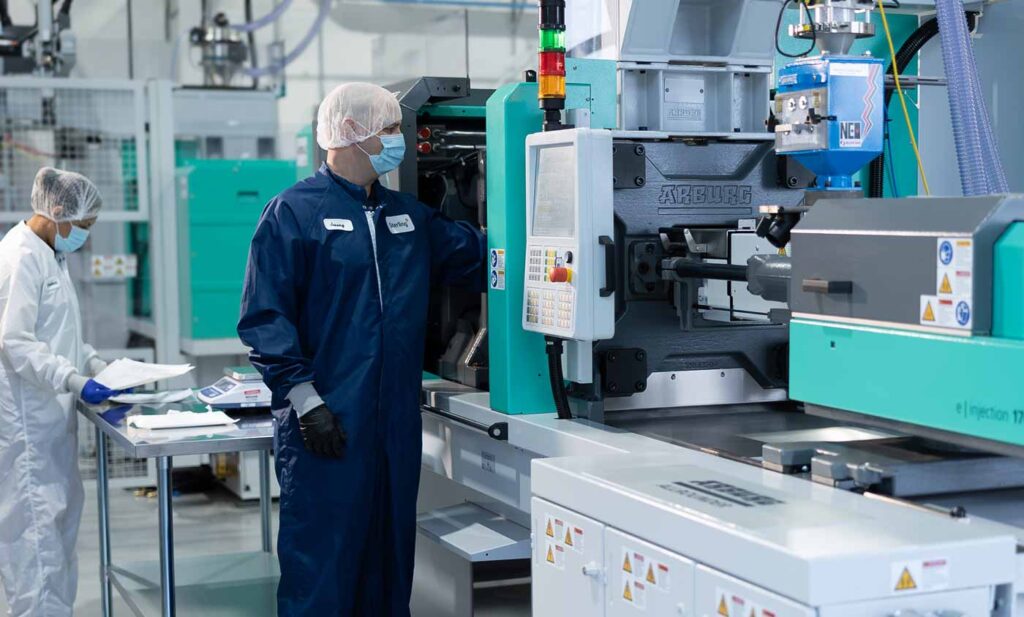
The decision to pursue medical contract manufacturing represents far more than a simple business transaction. It is a choice that reverberates through patient lives, regulatory frameworks, and the integrity of healthcare systems worldwide. When a medical device company entrusts production to an external partner, they are placing not just their commercial success but also patient safety into someone else’s hands. This reality demands a selection process that goes beyond cost comparisons and delivery schedules. It requires understanding the human stakes at play and the systems that protect them.
The Weight of Regulatory Compliance
In few industries does regulatory compliance matter as profoundly as in medical manufacturing. The consequences of shortcuts or oversights extend far beyond financial penalties. They touch the lives of vulnerable patients who depend on devices functioning exactly as designed. A reputable medical contract manufacturer understands this weight intimately.
Look for partners holding ISO 13485 certification, the international standard for medical device quality management systems. Yet certifications alone tell an incomplete story. The true measure lies in how deeply these standards permeate daily operations. Does the facility treat compliance as a checklist exercise or as a moral imperative? During facility visits, observe whether quality procedures feel performative or genuinely embedded in the culture.
FDA registration and the ability to navigate global regulatory landscapes matter equally. Medical devices destined for European markets require CE marking compliance. Those entering the United States face FDA scrutiny. A Singapore medical contract manufacturing partner with extensive regulatory experience explained: “We’ve learned that regulations exist not to burden manufacturers but to protect patients. When we internalise that truth, compliance stops feeling like an obstacle and becomes part of our purpose.”
Technical Capabilities and Specialisation
Medical device contract manufacturing encompasses extraordinary breadth, from simple disposables to complex implantable systems. Understanding a potential partner’s true capabilities requires specificity. What types of devices do they produce routinely? Do they specialise in Class I, Class II, or Class III devices? The regulatory burden and technical demands escalate significantly across these classifications.
Critical capabilities to evaluate include:
- Cleanroom environments with appropriate ISO classifications for your device type
- Sterilisation capabilities, whether EtO, gamma radiation, or autoclave
- Material expertise specific to biocompatible materials
- Assembly processes suited to your component complexity
- Testing and validation infrastructure
- Supply chain management for medical-grade materials
A manufacturer excelling at high-volume disposable production may lack the expertise for low-volume, high-complexity implantables. Misalignment here guarantees frustration for both parties.
Quality Systems That Protect Patients
Behind every successful medical manufacturing contract relationship stands a robust quality system. This infrastructure protects patients whilst simultaneously protecting your brand and regulatory standing. Evaluate how thoroughly a potential partner implements design controls, risk management processes, and corrective and preventive action systems.
Request examples of how they have handled quality issues in the past. The absence of problems suggests either exceptional processes or inadequate detection systems. More revealing is how partners respond when issues arise. Do they demonstrate transparency? Can they show root cause analysis and effective corrective actions? A Singapore medical contract manufacturing facility shared candidly: “We judge our quality system not by preventing all defects, which is impossible, but by how rapidly we detect them, how thoroughly we investigate them, and how permanently we prevent recurrence.”
Supply Chain Resilience
Recent years have exposed the fragility of global supply chains. Medical device manufacturers learned painful lessons when critical components became unavailable, when shipping costs exploded, or when geopolitical tensions disrupted established trade routes. A prudent contract manufacturer medical partner maintains supply chain resilience through multiple strategies.
Dual sourcing for critical materials reduces dependency on single suppliers. Strategic inventory management buffers against disruptions. Strong supplier relationships, built over years, provide priority access during shortages. Geographic diversification spreads risk across regions. These practices cost more in stable times but prove invaluable during crises.
Communication and Cultural Alignment
Technical capabilities matter profoundly, yet the human dimension of partnership often determines success or failure. Can you communicate effectively with potential partners? Do they understand not just your technical specifications but also your underlying needs and concerns? Cultural alignment around quality, ethics, and patient focus creates foundation for enduring relationships.
Time zone differences affect responsiveness. Language barriers can obscure critical details. Visit potential partners in person when possible. Observe how staff interact, how leadership communicates priorities, and whether the stated values align with visible behaviours.
Financial Stability and Long-Term Viability
Transferring production to a contract medical manufacturer involves substantial investment in tooling, validation, and relationship building. If your partner faces financial instability, your investment evaporates and your supply chain collapses. Research the company’s history, ownership structure, and financial health. How long have they operated? Have they weathered economic downturns? Do they invest in facility improvements and technology advancement?
Intellectual Property Protection
Medical device innovations often represent years of research and substantial investment. Protecting intellectual property when working with contract manufacturing medical partners requires careful attention to legal frameworks, physical security, and cultural attitudes toward IP protection. Singapore offers particularly strong IP protections, making it attractive for companies concerned about proprietary technology.
The Human Element
Ultimately, choosing a medical contract manufacturing partner means selecting people you trust to uphold standards when no one watches, to prioritise patient safety over convenience, and to treat your products with the seriousness they deserve. The right partner understands that behind every specification lies a patient whose health depends on precision, and every quality standard exists because someone, somewhere, needs the device to work exactly as intended. This understanding transforms medical contract manufacturing from a commercial transaction into a shared mission of protecting human wellbeing.
