

Reaching an optimal weight goes far beyond cosmetic appearance — it is a foundation for improved overall health, greater energy, and reduced risk of chronic disease. For many individuals, especially those living with excess weight or obesity, finding a successful and sustainable approach to weight management can be challenging. Medical weight-wellness programs help bridge this gap by providing tailored strategies that combine lifestyle changes, professional guidance, and evidence-based treatments to support lasting results.
Understanding a Comprehensive Weight Wellness Approach
A comprehensive weight wellness program focuses on helping people reach an optimal weight through personalized and medically supervised care. Rather than offering a one-size-fits-all solution, these programs begin with a detailed assessment of each individual’s health history, lifestyle, and weight-related goals. This allows healthcare providers to create customized plans that are both safe and effective.
Such approaches typically involve a team of specialists — including physicians, registered dietitians, nurse practitioners, and behavioral health counselors — working together to provide a full spectrum of support. This team collaborates with patients to identify lifestyle habits, develop healthy nutrition plans, educate on long-term behavior change, and monitor progress over time.
Medical weight management isn’t solely about shedding pounds; it’s about transforming overall health and achieving a weight that supports physical well-being, functional strength, and metabolic balance. It’s a holistic, science-backed approach that helps individuals take control of their wellness journeys confidently and sustainably.
Core Components of a Successful Weight Wellness Program
Achieving an optimal weight typically includes several key elements that work together to promote sustainable change. A well-structured program emphasizes personalized care, moving beyond generic advice to focus on each person’s specific circumstances and medical needs.
- Medical Evaluation and Diagnostic Testing
A thorough medical evaluation is essential to understand your current health status. Healthcare providers may conduct body composition analysis, metabolic rate assessments, and laboratory testing to gather key data that informs your plan. These diagnostics help uncover underlying issues — such as nutrient deficiencies or metabolic conditions — that could influence weight management outcomes. - Nutritional Counseling and Lifestyle Education
Nutrition plays a central role in weight wellness. Registered dietitians provide individualized counseling to help patients make informed food choices, understand portion control, and adopt sustainable eating habits. This guidance focuses on creating balanced, nutrient-rich diets tailored to each person’s metabolic needs and lifestyle.
Lifestyle education also includes advice on physical activity, stress management, sleep hygiene, and other factors that influence weight and metabolic health. By addressing the broader aspects of wellness, individuals are better equipped to maintain positive habits that support long-term success.
- Medication and Supportive Therapies
In certain cases, healthcare professionals may recommend medications that aid in weight loss. These prescriptions are used as part of a comprehensive plan — not as standalone solutions — and are intended to enhance appetite control, support metabolic function, or complement lifestyle adjustments. Ongoing medical supervision ensures that these therapies are safe and well-suited to individual needs.
Counseling support is another valuable component of weight wellness programs. Behavioral health specialists help patients explore emotional triggers, habits, and thought patterns related to eating and activity. Learning strategies to manage stress, address emotional eating, and stay motivated empowers individuals to make positive changes that last.
What to Expect on Your Wellness Journey
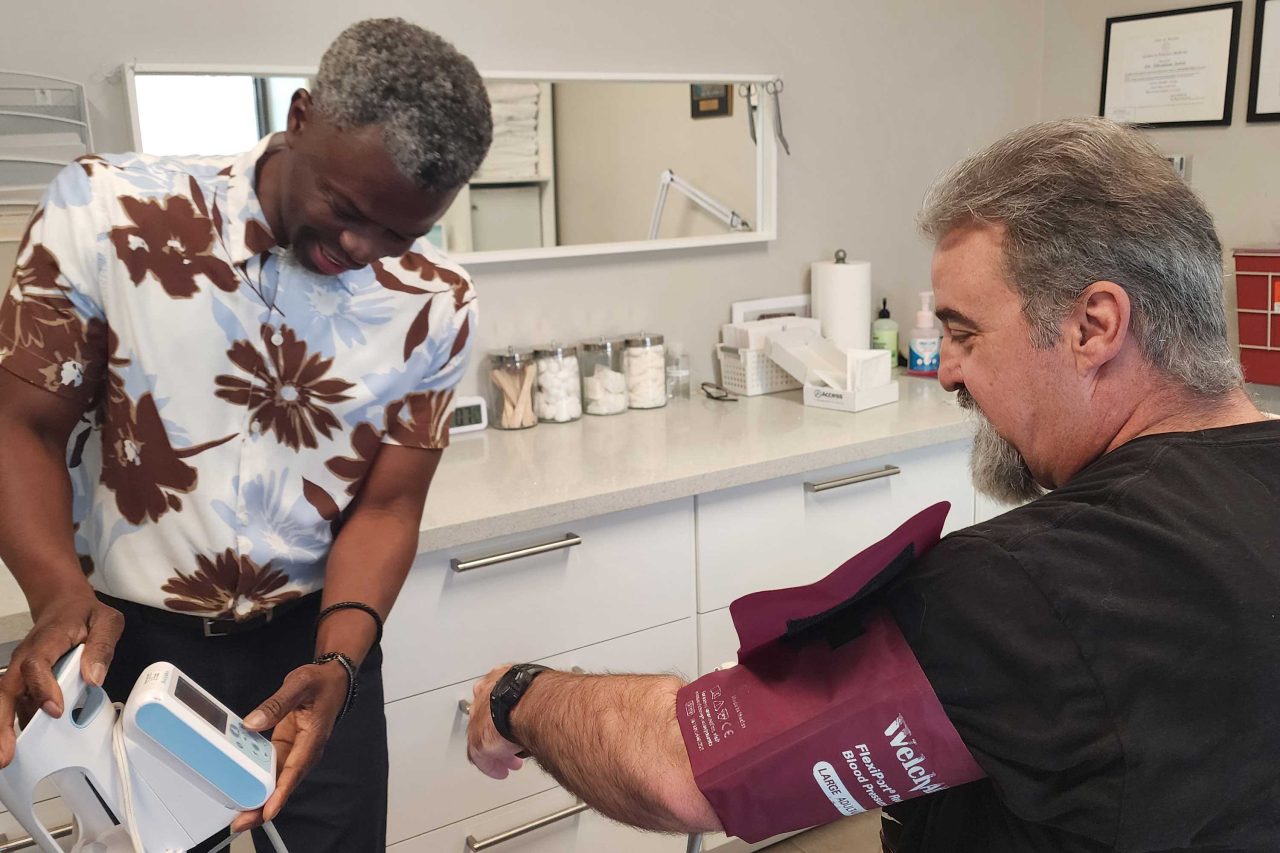
Entering a medical weight wellness program often begins with a comprehensive first visit, where providers gather detailed information about your health and goals. This may include questionnaires, body composition tests, nutrition assessments, and collaborative planning sessions with specialists.
Follow-up appointments typically involve monitoring progress, refining nutritional plans, adjusting therapies as needed, and offering encouragement and accountability. Many programs also incorporate virtual visits to accommodate busy schedules, making it easier to stay connected with your care team.
A successful weight wellness journey is not about rapid results; it’s about creating a foundation for lifelong health. By focusing on evidence-based strategies and personalized care, individuals are empowered to achieve an optimal weight that supports long-term vitality and well-being.
Moving Forward with Confidence and Support
Achieving and maintaining an optimal weight is a deeply personal yet medically guided process. With the right combination of professional support, education, and tailored care, individuals can make meaningful changes that improve their health outcomes and quality of life. Embracing this journey with patience, commitment, and expert guidance helps ensure that goals are not just reached but sustained for years to come.
