

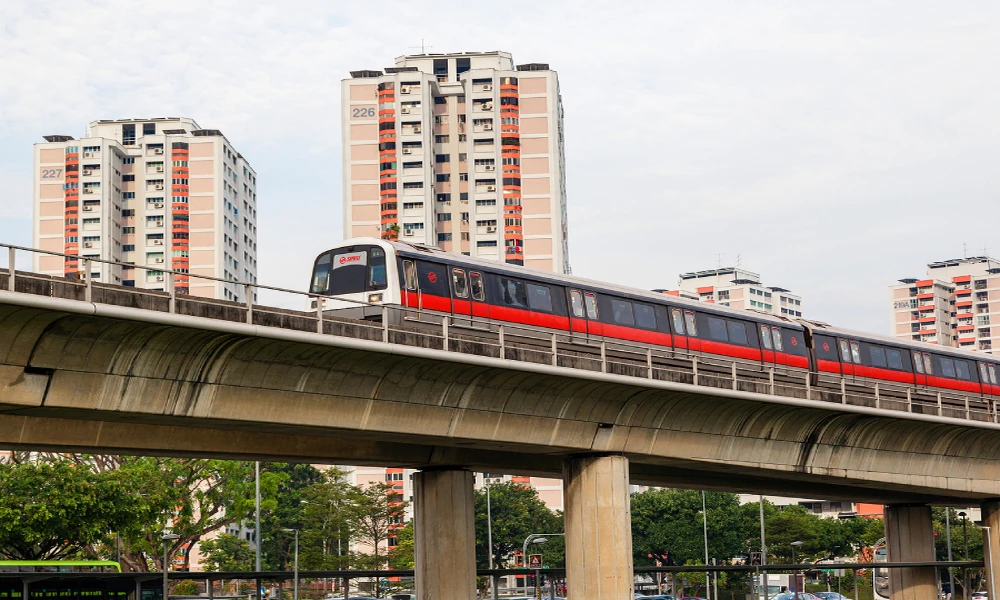
Public transport accessibility can influence how convenient a home feels long after the excitement of purchasing it has passed. Buyers researching Linktown Residences should examine more than the distance between a condominium and the nearest MRT station. Walking conditions, interchange connections, bus services, journey reliability and access to everyday destinations all contribute to the practicality of a property’s location.
In Singapore, two homes that appear similarly close to public transport on a map may offer very different commuting experiences. One may have a straightforward walking route and several useful bus connections, while another may require crossing busy roads or making inconvenient transfers.
The best approach is to evaluate transport accessibility according to your actual routine. Instead of relying exclusively on promotional descriptions or estimated distances, investigate how you would travel to work, school, shopping areas and other frequently visited destinations.
1. Measure the Complete Journey to Public Transport
The distance between a condominium and an MRT station is only one part of the journey.
A property may appear close to a station in a straight-line measurement, but the actual pedestrian route could be longer because of road layouts, barriers, crossings or restricted access points.
When researching a development, identify the practical walking route from the residential entrance to the station entrance. Consider whether the route is direct, well-lit and comfortable to use regularly.
Pay attention to crossings, pavement conditions, sheltered sections and areas where pedestrians may need to wait for traffic signals. These details become particularly important during heavy rain or when carrying shopping bags.
If you have children, mobility limitations or regularly accompany older family members, consider how manageable the route would be at your normal walking pace.
Online maps are useful for preliminary research, but they cannot always capture every inconvenience experienced on the ground. Where possible, walk the route yourself before making a purchase decision.
2. Investigate the MRT Network, Not Just the Nearest Station
The nearest MRT station is not necessarily the most useful station for your daily activities.
Singapore’s rail network connects different parts of the island, but journey convenience depends on the destinations you visit and whether transfers are required.
Start by listing your regular destinations. These might include your workplace, your partner’s workplace, a school, a university, a hospital or a relative’s home.
Use the official SMRT website and the Land Transport Authority website to research the network and relevant transport information.
For each important destination, examine the complete route, including the number of transfers, interchange walking distances and the final journey from the destination station.
A direct train may be preferable to a route involving multiple changes, even when the total distance appears shorter on a map. Conversely, an interchange can be convenient if it provides access to several useful destinations.
Avoid judging a property solely by the number of stations between it and the city centre. The actual usefulness of the route depends on where you need to go and how frequently you travel there.
3. Evaluate Bus Services as Part of the Transport Network
Bus services can provide valuable connections between residential areas, MRT stations, employment centres and neighbourhood amenities.
For some households, a nearby bus stop may be more useful than a slightly closer rail station if the bus provides a direct connection to a regular destination.
Investigate the routes serving the area and check where they travel, how frequently they operate and whether they connect with the rail network.
The LTA journey planner and official transport information can help you investigate available services. Check current routes and schedules rather than relying on older property descriptions or informal online discussions.
If you expect to use a bus frequently, examine the location of the stop relative to the condominium entrance. Consider the walking route, road crossings and whether the stop is comfortable to access during rain.
It is also worth identifying alternative routes. A household with several transport options may be better equipped to handle service disruptions or changes in daily plans.
However, do not assume that every nearby bus service travels directly to your intended destination. Verify the route and test the journey before treating it as a major advantage of a property.
4. Test Your Actual Commute During Realistic Travel Periods
A journey that appears convenient during off-peak hours may take longer during the morning rush.
Traffic conditions, passenger volumes, train transfers and walking distances can affect the experience of travelling to work. Buyers should therefore evaluate their likely commute during the periods when they expect to travel.
Choose a normal weekday and simulate the journey from the condominium’s entrance to your destination. Include the walk to the station, waiting time, transfers and the final walk after leaving public transport.
If you work in an office, test the route at approximately the time you would usually leave home. If your work involves shift schedules, investigate the services available during those hours.
For households with two working adults, assess both commutes rather than optimising the location for only one person.
A condominium that offers a slightly longer journey for one person may still be the better household choice if it significantly improves the other person’s route.
Record the results and compare them with alternative properties. The purpose is not to predict every future journey precisely, but to establish a realistic picture of everyday travel requirements.
5. Examine Accessibility for Children, Older Residents and Mobility Needs
Transport convenience is not experienced equally by every household member.
A route that is manageable for a healthy adult may be tiring for a young child, an older person or someone using a mobility aid.
Inspect pedestrian crossings, pavement widths, slopes, kerbs and the availability of step-free access where relevant. Check whether the route to the station involves long detours or difficult changes in level.
If you regularly use a stroller, wheelchair or walking aid, verify the accessibility arrangements at both ends of the journey. The presence of lifts at a station does not necessarily mean every route is equally convenient, particularly during maintenance or temporary closures.
Families should also consider the journey to childcare facilities and schools. A short public transport trip may still involve a challenging walk with young children or multiple transfers.
Buyers researching Lentor Signature can apply these criteria when investigating the actual routes from the development to nearby transport services. Verify station access, pedestrian conditions and available connections independently rather than assuming that proximity alone guarantees convenience.
Where accessibility is an essential requirement, visit the area in person and confirm relevant arrangements with the transport operator or property management where appropriate.
6. Consider Weather Protection and Pedestrian Comfort
Singapore’s climate makes sheltered walking routes a meaningful consideration.
A journey involving several exposed sections may feel less convenient during heavy rain or intense afternoon heat than a route with substantial shelter.
During your site visit, observe whether the walk to transport involves covered pathways, sheltered crossings or long stretches beside busy roads.
Do not assume that a route is fully sheltered simply because some covered walkways appear on a map or in marketing material. Walk the actual route and note where protection begins and ends.
Lighting and visibility are also worth examining, particularly if you leave home early or return late.
Consider the route from the station to the residential entrance as well as the journey in the opposite direction. Both matter when you are travelling regularly.
These observations may appear minor compared with headline journey times, but they can influence how pleasant and predictable the commute feels throughout the year.
7. Investigate Future Transport Improvements Carefully
Proposed transport infrastructure can influence how buyers assess a neighbourhood’s long-term accessibility. However, future improvements should be evaluated according to their actual planning and implementation status.
A proposed station, rail extension or road improvement is not equivalent to an operational service. Projects may have different timelines, and plans can change.
Consult official announcements and planning information from the relevant authorities. Distinguish between completed infrastructure, projects under construction and proposals that remain subject to further decisions.
Avoid assigning a guaranteed financial benefit to a property simply because a transport improvement has been announced.
For example, a future rail connection may improve access to particular destinations, but the practical benefit will depend on the final station location, service arrangements and the household’s travel patterns.
When comparing properties, assess the existing transport network first. Treat credible future improvements as a possible additional consideration rather than the foundation of your purchase decision.
8. Compare Transport Convenience With Other Housing Costs
A condominium with convenient transport access may help reduce commuting time or the need for a private vehicle. Nevertheless, transport accessibility should be considered alongside the full cost of ownership.
Calculate the purchase price, mortgage repayments, maintenance contributions, property tax and other recurring expenses. Then estimate your expected transport spending under realistic circumstances.
If a property allows you to use public transport for most journeys, you may need fewer taxi or ride-hailing trips. However, the actual savings depend on your working arrangements, household composition and travel habits.
A household with young children or relatives who require frequent car journeys may have different transport needs from a single professional commuting by MRT.
Compare the practical value of the location rather than assuming that the nearest station always represents the best overall choice.
A slightly less expensive property with a longer commute may or may not offer better value, depending on the time, money and inconvenience associated with the additional travel.
9. Use a Transport Accessibility Checklist
Before committing to a condominium, evaluate these factors consistently:
- Walking distance: Have you checked the actual route to the station or bus stop?
- Rail connections: Do the available routes serve your regular destinations efficiently?
- Bus coverage: Are there useful direct services or connections to the MRT network?
- Journey time: Have you tested the commute during realistic travel periods?
- Transfers: Are interchange routes and walking distances manageable?
- Accessibility: Can household members comfortably complete the journey?
- Weather protection: Is the pedestrian route practical in rain and heat?
- Alternative options: Are other services available if your preferred route is disrupted?
- Future infrastructure: Have you verified the status of proposed improvements through official sources?
Create a simple comparison sheet for shortlisted properties. Record actual journey observations rather than relying solely on descriptions such as “minutes from MRT” or “excellent connectivity.”
Conclusion
Evaluating public transport accessibility requires more than identifying the nearest station. Buyers should examine complete walking routes, rail connections, bus services, commute conditions and the needs of every household member.
Test the journeys you expect to make regularly, verify current services and distinguish existing transport options from proposed future improvements. Then weigh the practical travel benefits against the property’s overall purchase and ownership costs.
A well-chosen location can make everyday routines easier, but the most suitable condominium is the one whose transport network genuinely supports your lifestyle rather than simply appearing convenient on a map.
