

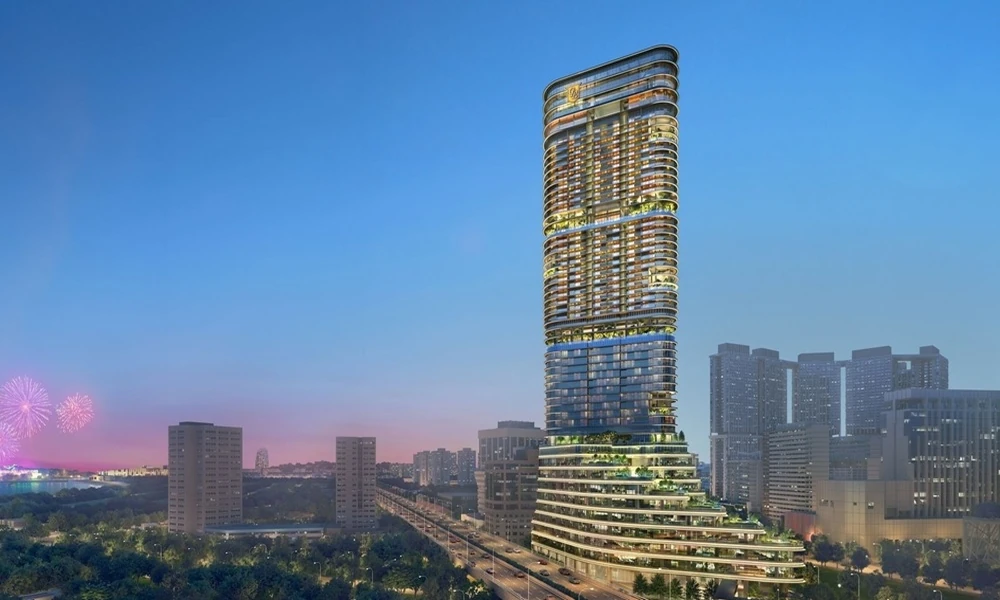
Singapore’s high-end residential market continues to show remarkable resilience, driven by strong underlying demand for prime urban addresses. For prospective homebuyers, multi-generational families, and international investors seeking premium real estate in Singapore, evaluating high-profile developments requires a clear understanding of location advantages, design philosophies, and long-term capital preservation potential.
Among the standout luxury properties drawing significant market attention are Amberwood at Holland in District 10 and another notable city-fringe contender that redefines urban sophistication. Both developments cater to discerning buyers who prioritize proximity to top-tier schools, convenient transport links, and rich lifestyle amenities. Understanding how these developments align with individual lifestyle requirements and investment strategies is crucial when navigating Singapore’s dynamic private housing sector.
The Enclave Factor: Prime District 10 vs Central City-Fringe Living
Location remains the single most decisive factor when assessing high-end residential real estate in Singapore. District 10, long recognized as a prestigious address, offers an irresistible mix of tranquility, exclusivity, and lush greenery. Residential developments nestled within the Holland Village and Bukit Timah corridors provide seamless access to bohemian dining hubs, artisanal coffee shops, and established lifestyle destinations.
Properties situated in this corridor benefit from excellent connectivity via major arterial roads and public transit networks. Residents living near Holland Road enjoy quick commutes to the One-North technology enclave, the Buona Vista research hub, and the Central Business District (CBD). Families value the proximity to renowned educational institutions, including Anglo-Chinese School (International), Henry Park Primary School, and Nanyang Primary School.
On the other hand, central city-fringe residences offer an alternate appeal centered on vibrant urban energy and rapid access to major commercial centers. High-density urban hubs appeal directly to working professionals and expatriates who value shorter daily commute times to financial hubs like Marina Bay and Raffles Place.
For investors comparing options across different central planning regions, properties such as Lucerne Grand offer an appealing entry point into refined condominium living. Properties in these high-accessibility zones benefit from consistent tenant demand, making them attractive assets for long-term rental portfolios.
Architectural Excellence and Layout Considerations
Modern luxury homebuyers in Singapore increasingly look beyond basic floor areas. Today’s buyers evaluate living space based on layout efficiency, natural ventilation, ceiling heights, and premium material selection.
Luxury condominium developments typically feature:
- Efficient Spatial Planning: Dumbbell layout configurations that minimize hallway space and maximize usable living areas.
- Biophilic Design Principles: Integration of vertical gardens, private sky terraces, and expansive window walling to optimize natural light and airflow.
- High-End Interior Finishes: Premium imported stone countertops, natural timber flooring, and top-tier European kitchen appliances.
- Smart Home Automation: Integrated systems for digital access control, smart climate regulation, and automated lighting management.
Developments located in low-density prime enclaves generally emphasize generous unit layouts, private lift lobbies, and multi-generational living configurations like four-bedroom units and penthouses. Conversely, city-fringe developments often optimize space for active professionals, offering well-proportioned one- to three-bedroom apartments designed for efficient urban living.
Investment Dynamics: Capital Appreciation and Rental Yields
Evaluating private properties from an investment perspective requires analyzing local market trends released by the Urban Redevelopment Authority (URA). Prime non-landed properties in the Core Central Region (CCR) have historically demonstrated strong capital resilience over long holding periods.
Key investment metrics to evaluate include:
| Metric / Feature | Prime CCR Enclaves | Central / City-Fringe Zones |
|---|---|---|
| Primary Buyer Profile | High-Net-Worth Individuals, Owner-Occupiers, Legacy Investors | PMEBs, Young Families, Yield-Focused Investors |
| Capital Preservation | High long-term stability driven by land scarcity | Strong capital growth potential linked to urban rejuvenation |
| Rental Demand Drivers | Senior corporate executives, diplomatic personnel, international expats | Tech professionals, medical specialists, finance industry workers |
| Aesthetic Focus | Low-density resort living, greenery, exclusivity | High-tech amenities, direct MRT connectivity, mixed-use convenience |
Gross rental yields across Singapore private residential properties average around 3% per annum, with specific yields varying depending on unit size and precise location. Smaller unit configurations in transit-oriented developments typically achieve higher rental yields, whereas larger family units in landed-adjacent enclaves appeal primarily to long-term owner-occupiers seeking capital growth over yield.
Navigating Regulatory Frameworks for Property Buyers
Whether purchasing a primary residence or adding to a real estate portfolio, buyers must navigate Singapore’s real estate regulatory framework. Key financial factors to budget for include:
- Additional Buyer’s Stamp Duty (ABSD): Singapore Citizens purchasing their second property face an ABSD rate of 20%, while third and subsequent purchases attract 30%. Foreign buyers purchasing residential property are subject to a 60% ABSD rate, making strategic selection of prime assets vital.
- Total Debt Servicing Ratio (TDSR): Borrowers are capped at spending no more than 55% of their gross monthly income on total monthly debt obligations, ensuring healthy household balance sheets across the market.
- Loan-to-Value (LTV) Limits: Maximum bank financing for individuals without existing housing loans stands at 75%, requiring a minimum 25% downpayment (comprising cash and Central Provident Fund Ordinary Account funds).
Choosing the Right Residence for Your Lifestyle
Selecting between a low-density prime enclave residence and a high-connectivity central condo comes down to lifestyle priorities:
- Choose a Prime Enclave Development if you prioritize expansive floor plans, tranquil surroundings, proximity to top schools, and long-term wealth preservation in a prestigious neighborhood.
- Choose a City-Fringe Development if you value quick daily commutes, immediate access to dining and entertainment districts, and strong rental demand from corporate tenants.
Both market segments offer distinct advantages in Singapore’s stable real estate market. Conducting thorough side-by-side evaluations, reviewing floor plans, and assessing site orientation will ensure your private property purchase aligns with both your immediate lifestyle requirements and financial objectives.
