

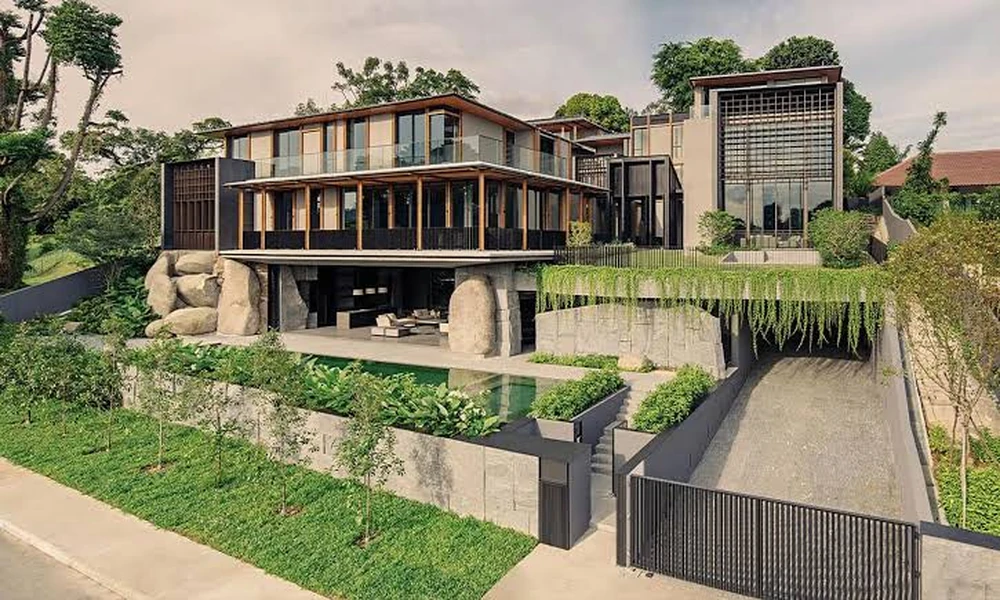
Family living in Singapore is changing as households adapt to different financial circumstances, work arrangements, and caregiving responsibilities. For some families, living together across multiple generations offers practical advantages, including shared household expenses, greater support for elderly relatives, and more opportunities for family interaction.
However, multigenerational living also introduces challenges. Privacy, space planning, accessibility, and individual routines must be considered when selecting a suitable residential property.
A comfortable family home should provide opportunities for togetherness without compromising the personal space required by different household members.
Space Planning for Different Generations
One of the biggest considerations in a multigenerational household is how the available space is distributed.
Parents may need a private bedroom, while grandparents could benefit from convenient access to bathrooms and common areas. Children may require dedicated study spaces, recreational areas, and sufficient storage.
When evaluating Langdon Heights, families should examine available unit configurations and determine whether the layouts can accommodate their household structure.
Rather than focusing entirely on the advertised floor area, buyers should consider bedroom dimensions, corridor arrangements, bathroom locations, and the overall flow between shared and private spaces.
Privacy Without Losing the Feeling of Togetherness
Living under one roof does not mean every activity needs to happen collectively.
Different generations often have different schedules and preferences. Younger adults may work late, children may follow school routines, and elderly relatives may prefer quieter surroundings.
A well-planned home should offer enough separation for individual activities while maintaining comfortable shared spaces.
Some practical design considerations include:
- Bedrooms positioned away from noisy common areas.
- Separate areas for studying and working.
- Comfortable shared dining spaces.
- Adequate storage for personal belongings.
- Flexible rooms that can serve different purposes.
These arrangements can help reduce household friction and create a more balanced living environment.
Why Accessibility Matters for Older Family Members
Residential accessibility becomes particularly important when elderly relatives are part of the household.
Features such as manageable floor transitions, suitable bathroom arrangements, adequate lighting, and convenient lift access can influence everyday comfort.
Families should also consider the distance to nearby healthcare facilities, pharmacies, supermarkets, and public transportation.
It is important to assess the actual needs of older residents rather than assuming that every elderly person requires the same living arrangements.
Chencharu Central Residences and Family-Oriented Neighbourhood Planning
The surrounding neighbourhood can be just as important as the internal layout when selecting a multigenerational home.
Chencharu Central Residences provides a relevant example for discussing residential opportunities within Singapore’s northern districts.
Families exploring this development should examine its verified unit information and the wider neighbourhood’s suitability for different age groups.
Access to daily necessities, medical services, recreational facilities, and transport connections can contribute to a more convenient family lifestyle.
Buyers should also investigate which community facilities are currently available and which remain part of future planning.
Managing Shared Household Expenses
Multigenerational living can create opportunities to distribute certain household expenses among family members.
Mortgage contributions, utilities, groceries, maintenance, and other recurring costs may be shared according to an agreed arrangement.
However, financial responsibilities should be discussed clearly before purchasing a property together.
Families should also understand the legal ownership structure and the implications of joint ownership. Different ownership arrangements can affect financing, estate planning, and future property transactions.
Professional legal and financial advice may be helpful when substantial family assets are involved.
Designing a Home That Adapts Over Time
Family requirements are rarely permanent. Children grow older, grandparents may require additional support, and working arrangements can change.
Flexible interior design can help a property remain useful as these circumstances evolve.
For example, a study room may eventually become a bedroom, while a guest room could serve as a home office.
Movable furniture, adaptable storage systems, and practical room configurations can make it easier to adjust the home without extensive renovation.
The Importance of Neighbourhood Facilities
A family-friendly residential environment should provide access to services that support different generations.
Useful facilities may include:
- Schools and childcare centres.
- Medical clinics and hospitals.
- Supermarkets and food outlets.
- Parks and walking paths.
- Community centres.
- Public transportation.
- Recreational and sports facilities.
Families should consider how easily each household member can reach these facilities independently.
Convenient access can reduce the need for constant driving and make everyday responsibilities easier to manage.
Conclusion
Multigenerational living can offer meaningful advantages for Singapore families, but selecting the right home requires careful consideration of space, privacy, accessibility, and financial arrangements.
A suitable residential environment should support different generations while allowing each household member to maintain a comfortable routine.
By examining floor plans, neighbourhood facilities, ownership arrangements, and long-term family requirements, buyers can make more informed decisions about creating a home that supports family life across different stages.
