

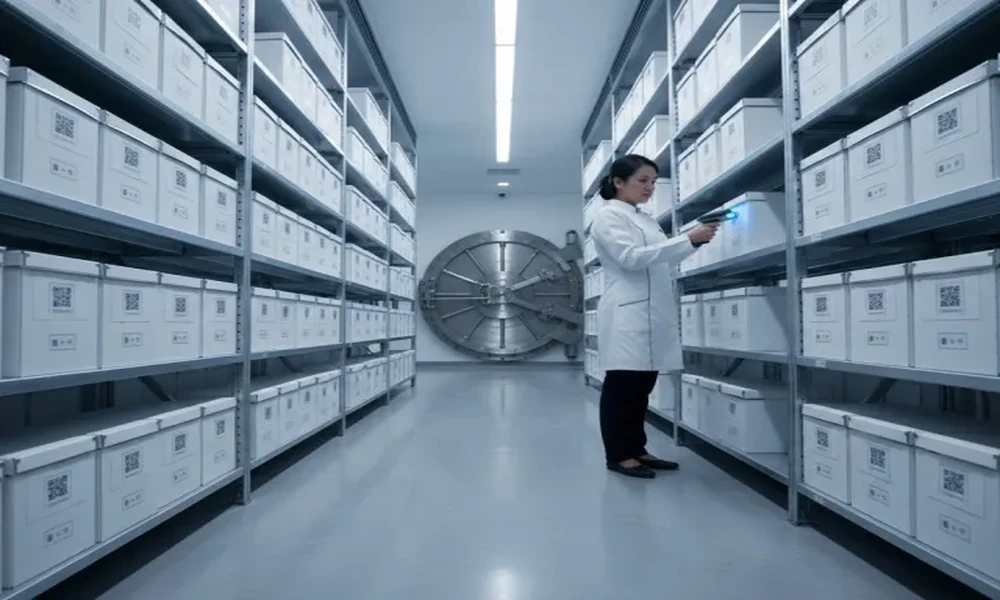
Buying a property creates a substantial amount of paperwork. Purchase agreements, loan documents, insurance policies, renovation invoices and maintenance records can quickly become scattered across email accounts, folders and messaging applications. When a document is needed urgently, locating the correct version may become surprisingly difficult.
A reliable record-keeping system helps Singapore homeowners manage financial commitments, verify contractual terms and resolve maintenance issues more efficiently. It can also simplify future refinancing, insurance claims or property transactions. The goal is not to keep every piece of paper indefinitely, but to ensure that important records are secure, accessible and organised.
Separate Documents Into Practical Categories
Start by grouping records according to their purpose. This makes it easier to locate information without remembering when a particular document was received.
A useful system can include the following categories:
- Purchase and legal records: Sale and purchase agreements, completion statements, relevant correspondence and documents provided by the conveyancing solicitor.
- Financing: Loan agreements, repayment schedules, statements and correspondence with the lender.
- Taxes and fees: Applicable stamp duty records, property tax bills and payment confirmations.
- Insurance: Policy documents, renewal notices, coverage details and claim correspondence.
- Renovation and maintenance: Contractor quotations, approved plans, invoices, warranties and servicing records.
- Development management: Notices, renovation rules, maintenance contributions and communications with the managing agent.
The exact records required will depend on the property and ownership circumstances. Where a document has legal or financial significance, follow the relevant retention requirements and any advice provided by the responsible professional.
Create a Secure Digital Archive
Digital records can make document retrieval easier, especially when homeowners need information while travelling or dealing with a service provider.
Scan important paper documents and save electronic copies using clear file names. A useful naming format might include the document type, property-related category and date. For example, a file could be named HomeInsurance_Renewal_2026-10.pdf.
Use folders that reflect the categories in your filing system. Avoid creating so many subfolders that locating a document becomes complicated.
Store files in a secure location with appropriate access controls. Enable multifactor authentication where available, use strong passwords and keep backup copies separate from the primary storage location.
Property documents may contain identity information, financial details and signatures. Do not share an entire folder with a contractor or other third party when only one document is needed. Provide the minimum necessary information through a suitable channel.
For buyers researching Solano Grand in Bukit Panjang, establishing this filing system before moving in can help keep purchase records, handover documents and future maintenance information organised from the outset.
Retain Original Documents When Necessary
Digitisation is useful, but it does not mean every original document can be discarded. Some records may need to be retained in their original form, depending on their legal purpose, authenticity requirements or the instructions of the issuing organisation.
Ask your solicitor, lender, insurer or relevant authority whether an original document is necessary and how long it should be kept.
Store important physical documents in a dry, secure location away from excessive heat and moisture. Keep them separate from everyday household paperwork to reduce the risk of accidental disposal.
If a document is lost, contact the organisation that issued it to understand whether an official copy or replacement can be obtained. Avoid assuming that an ordinary scan will always serve as an acceptable substitute.
Track Renovation Warranties and Maintenance History
Renovation records can be particularly valuable after contractors have completed their work. Keep approved quotations, invoices, product specifications and warranty terms together so that you can identify the responsible supplier if a problem arises.
Record installation dates and relevant servicing information for air-conditioning systems, water heaters and other major equipment. Note the model and serial number where appropriate.
When reporting a defect, maintain a record of the date, photographs, correspondence and any agreed follow-up actions. This creates a clearer history if the issue requires repeated attention.
Homeowners considering Wynwood Grand in Woodlands can use the same system for project-related handover information and subsequent maintenance records, while verifying the applicable documents and procedures directly with the relevant parties.
Keep Financial Records Ready for Important Decisions
Property ownership involves ongoing payments and periodic financial reviews. Keeping mortgage statements, tax records, insurance details and maintenance expenses in one organised system makes it easier to understand the household’s commitments.
These records may also be useful when assessing refinancing options, preparing tax-related information or discussing a future sale with a professional adviser.
However, not every record needs to be retained permanently. Review retention periods according to applicable legal, tax, contractual and financial requirements before deleting older files.
A simple annual review can help remove unnecessary duplicates while preserving documents that may still be required.
Establish a Routine for Updating Records
An effective filing system depends on regular maintenance. Whenever a significant property document arrives, save it to the appropriate folder rather than postponing the task.
Set aside time periodically to check that backups work, insurance details remain current and important documents can still be accessed. Update contact information when lenders, insurers or contractors change.
It is also useful to ensure that a trusted person knows how to locate essential household records in an emergency, without giving them unnecessary access to confidential information.
Make Property Administration Easier to Manage
Organised documentation supports better homeownership decisions by reducing the time spent searching for information and helping homeowners respond more effectively to unexpected issues.
For Singapore property owners, a combination of secure digital storage, carefully retained originals and consistent record updates provides a practical foundation for managing a home over the long term. A straightforward system established early can save considerable effort as ownership responsibilities grow.
